
Things to Do in Bangladesh in February
February weather, activities, events & insider tips
Shoulder Season · Good Value
February Weather in Bangladesh
Temperature, rainfall and humidity at a glance
82°F (28°C)
High Temp
61°F (16°C)
Low Temp
0.8 inches (20 mm)
Rainfall
70%
Humidity
⚠ Dense morning fog blankets the Ganges-Brahmaputra floodplain in early February. Domestic flights face regular disruption. Highway visibility drops under 50 m (164 ft). Build buffer days around any connection depending on scheduled domestic departures.
⚠ Dhaka's dry-season air quality deteriorates sharply in February. PM2.5 readings routinely hit five to eight times WHO guidelines. Carry a N95 mask for extended outdoor time in the capital. Consider limiting strenuous activity during peak haze hours in the morning.
Is February Right for You?
Weigh the advantages and considerations before booking
Advantages
- + February hits Bangladesh's dry season sweet spot. Rainfall barely registers at 20 mm (0.8 inches). Daytime highs hover near 28°C (82°F). You can walk Old Dhaka's tangled lanes or trek Bandarban's ridgelines without drowning in sweat or monsoon runoff. Mornings start cool at 16°C (61°F). You'll want a light layer. This is Bangladesh's closest approximation to pleasant sleeping weather without air conditioning.
- + Ekushey February on the 21st transforms the country like no other observance. The midnight flower procession to Shaheed Minar in Dhaka ranks among South Asia's most emotionally charged public gatherings. A wave of cultural programs, book fairs, and street performances radiates outward for the surrounding week. This gives you a window into Bangladeshi identity that no temple visit or river cruise can replicate.
- + The Sundarbans mangrove forest, the largest tidal mangrove on earth, reaches peak accessibility in February. Water levels have receded enough to expose mudflats where spotted deer and water monitors bask in the open. Sightlines through the pneumatophore roots stretch further than they will all year. Comfortable overnight temperatures make sleeping on a deck boat bearable. By April, this becomes a sweat-soaked ordeal.
- + Domestic tourism hasn't yet hit the Pohela Boishakh and summer-holiday crush. Cox's Bazar's 120 km (75-mile) shoreline and the Chittagong Hill Tracts' guesthouses still have real availability. You're competing mainly with Dhaka's middle class on weekend getaways, not the full monsoon-break increase. Transport bookings and accommodation are tight but not impossible.
Considerations
- − Morning fog across the Ganges-Brahmaputra floodplain can shut down domestic flights. Highway visibility drops to under 50 m (164 ft), in the first two weeks. Biman and NovoAir cancellations out of Hazrat Shahjalal ripple through the day. Intercity buses on the Dhaka-Sylhet corridor slow to a crawl until the haze lifts around 10 AM. Build buffer days around any domestic flight connection.
- − February is peak season for international visitors and educated domestic travelers. Sundarbans launch permits, trained naturalist guides, and the better houseboats book out weeks ahead. Arrive without reservations for the Sundarbans or Bandarban and you'll land on a waiting list. Or worse, you'll get stuck with operators running overcrowded day-trip boats that barely penetrate the outer channels.
- − The tail end of winter dryness means Dhaka's air quality deteriorates noticeably. PM2.5 readings regularly exceed WHO guidelines by five to eight times. The haze thins once you leave the capital. Those first few days in Dhaka hit hard if you have respiratory sensitivity. The grey-brown pall over the city mutes the light in ways that frustrate photographers chasing golden-hour shots.
Best Activities in February
Top things to do during your visit
February in Bangladesh is a pause you can feel. The air is clear and dry, a sharp break from the swampy humidity that owns the rest of the year. Mornings carry a light chill, then the sun climbs and the light turns gold, good for walking the city. Locals picnic on the riverbanks. They know this is the window before the heat returns. No monsoon, no furnace, just ten hours of reliable weather. Climate charts call it the hinge: temperatures inch up from January, rainfall stays under 25 mm, and travelers can roam Dhaka's alleys without checking the sky every ten minutes. Visitors asking about February weather will find cool evenings that demand a thin scarf and days made for T-shirts. Winter here means culture, not skiing. Dry air smells of diesel and dust, rickshaw bells ring crisp, and street food tastes louder when you are not sweating through your shirt. If you want to see what Dhaka is famous for, come now; the city shows its bones in this light.

Dhaka Street & Culture Photography, Private Full-Day Tour
day_tripWalk the kinetic heart of Old Dhaka with a guide who knows every photogenic crack, from Armenian Church Street's crumbling facades to Shankhari Bazar's shouting color. You will see brass-smiths hammering, hear handlooms clatter, and frame human stories inside ancient brick.
It turns the city's sensory assault into a curated set of shots.
Insider tip: Wait for 'shei alo', the late-afternoon angled light that paints warm shadows across brickwork.
This month: February's clear air scrubs haze, giving razor-sharp long shots across the Buriganga River.

Food Tour in Dhaka: Taste the Best Foods of Dhaka
foodFollow a culinary map from sizzling karai pans in back alleys to vendors ladling biryani from giant hand-beaten brass pots. You will taste smoky kebabs, tangy chotpoti, and malai cha thick with cream.
One bite at a time, you read the city's Mughal, British, and Bengali layers.
Insider tip: Arrive hollow and pace yourself. This is a marathon of spice.
This month: Cool February air lets you stand over steaming pots without melting.

Photography In Dhaka
otherThis session hunts quiet geometry: laundry rectangles in a courtyard, a bookbinder alone in his studio, dust motes slicing sunlight inside a warehouse. You will hear the paper cutter's rhythm, see structure inside chaos.
It trains your eye to find stillness within Dhaka's roar.
Insider tip: Pack a small prime lens and polite smile. Intimacy beats zoom.

Private Dhaka City Tour: Old & New Dhaka Highlights with Lunch
guided_experienceStand in the hush of Star Mosque's star-studded mosaic, then step into the roar of downtown engines. You will feel cool palace marble, then humid market air thick with cumin and chili, tracing the city's timeline in one stride.
You get the chronological spine of how Dhaka grew this dense.
Insider tip: Ask for a rickshaw leg through Old Dhaka's labyrinth. Nothing else shows scale like threading 18 inches between walls.
This month: February's lower humidity keeps the long walks between AC stops pleasant.

Authentic Old Dhaka Tour: Shipyard Visit & Local Life Experience
guided_experienceWatch wooden cargo skeletons rise by hand on the Buriganga's muddy banks. Mallets echo, tar and fresh timber ride the breeze. The tour stays with river communities whose days rise and fall with the tide, far from Dhaka's main-road chaos.
You touch the ancient river economy that still moves the nation.
Insider tip: Wear closed shoes that can handle slick mud and splinters.
This month: Dry February firms the bank, sparing you monsoon mud.

Dhaka Private Airport Transfer, 24/7 Pickup & Drop-Off
transportSkip the arrival scrum. A driver waits with a sign, AC running, door sealed against honking chaos. You glide past touts and fixed-price taxis into the city's thick traffic without haggling a single taka.
It is the cheapest insurance against Dhaka's opening punch.
Insider tip: Reconfirm flight details the day before; 24/7 service still needs sync.
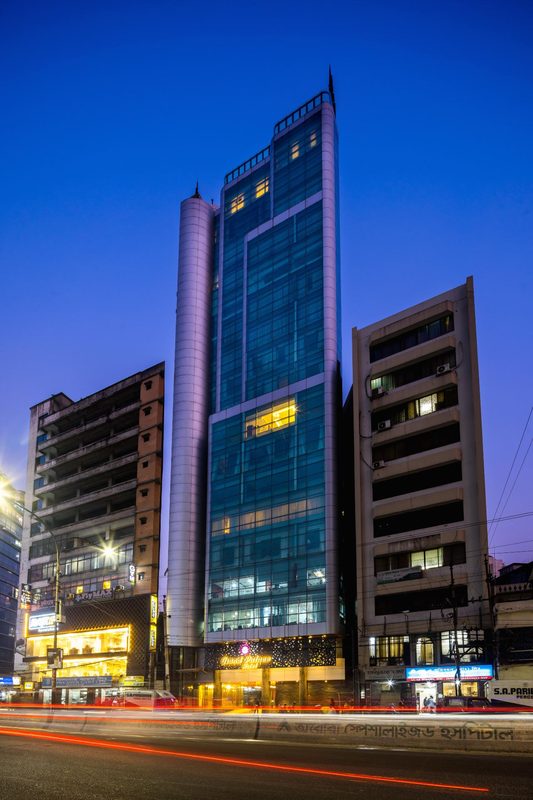
Where to Stay in Bangladesh in February
Hand-picked hotels across price tiers for February travellers.

Public Holidays in February
Dates that affect opening hours, transport and crowds
শহিদ দিবস ও আন্তর্জাতিক মাতৃভাষা দিবস
Known in English as International Mother Language Day. Observed nationwide as a public holiday.
শহিদ দিবস ও আন্তর্জাতিক মাতৃভাষা দিবস
Known in English as International Mother Language Day. Observed nationwide as a public holiday.
Packing Checklist
Bookmark this page — your progress is saved between visits
Need the full list with shopping links?
Climate-specific gear, brand recommendations, and what to leave at home.
View Bangladesh Packing List →Essential Tips
Insider knowledge and common pitfalls to avoid
Insider Knowledge
The Ekushey Book Fair at Bangla Academy grounds ranks among South Asia's largest open-air book fairs. It runs all February. Its real value for travelers? Social space, not bookstore. Go in late afternoon. Stalls are busy then. The crowd shows a cross-section of Bangladeshi society. University students debate poetry. Families eat jhalmuri, puffed-rice with mustard oil and green chilies, from vendors outside the gates. The fair closes the gap between tourist and local. Faster than any guided tour.
Nolen gur, the winter date-palm jaggery, hits the market from roughly December through late February. It transforms every sweet it touches. Look for nolen gur sandesh and nolen gur roshogolla at established sweet shops in Dhaka's Wari and Shakhari Bazar neighborhoods. The flavor carries deep, smoky caramel notes with an almost molasses-like complexity. Regular sugar cannot replicate this. Once the palm sap stops flowing in March, the supply vanishes until next winter.
CNG auto-rickshaws in Dhaka run on compressed natural gas. They handle distances too far for walking but too short for cars. Traffic-locked car rides turn a 5 km (3-mile) trip into an hour-long ordeal. Agree on the fare before you get in. Use the Pathao ride-hailing app for metered pricing. Rush hour in Dhaka, roughly 8 to 10 AM and 5 to 8 PM, is not a window but a wall. Schedule important departures outside those bands. Add two hours of buffer otherwise.
Bring binoculars with at least 8x magnification for the Sundarbans. Use them constantly. First-time visitors scan the distant treeline for tigers. They miss the Brahminy kites overhead, the mudskippers flopping across exposed banks two meters away, and the monitor lizards sunning on fallen trunks. The Sundarbans rewards close attention more than dramatic sightings. February's low water makes small wildlife more visible than at any other time.
Avoid These Mistakes
Flying into Dhaka and immediately pushing onward to Cox's Bazar or the Sundarbans is a mistake. February morning fog regularly delays or cancels domestic flights. The road journey to either destination demands twelve to fourteen hours. Highways slow to a crawl through district towns. Build at least one full buffer day in Dhaka on each end of your itinerary. Treat Old Dhaka as a destination. It deserves your time.
Bangladesh outside Dhaka's university neighborhoods is conservative. Shorts, sleeveless tops, and public displays of affection draw stares. Sometimes they draw hostile attention in markets, transport hubs, and rural areas. Dhaka University's campus on Pohela Falgun feels relaxed. That is a microclimate. Dress with knees and shoulders covered everywhere else. Interactions grow warmer. Doors open more easily.
Do not skip the Rocket steamer for speed. Bangladesh is a river country. Roads and planes cannot convey this. The paddle-wheel steamer service between Dhaka and Barisal counts among the last operational paddle-steamer routes in the world. It runs overnight on the Padma and Meghna rivers. Wake at dawn on the deck. Fishing boats emerge from the mist. The water turns pale silver. The air carries river mud and diesel. This ranks among the most distinctive experiences in South Asia. February's calm water keeps the journey smooth. Other months churn stomachs.
Ready to plan your trip to Bangladesh?
Now that you've got the research covered, here's where to go next.
Explore More Activities in Bangladesh
Didn't see anything interesting yet?
Browse Viator's full catalog of tours, day trips, food experiences, and private guides in Bangladesh.
See All Bangladesh Tours on Viator