Things to Do in Bangladesh in March
March weather, activities, events & insider tips
Low Season · Budget Friendly
March Weather in Bangladesh
Temperature, rainfall and humidity at a glance
90°F (32°C)
High Temp
69°F (21°C)
Low Temp
1.9 inches (48 mm)
Rainfall
70%
Humidity
⚠ Pre-monsoon thunderstorms spike in late March. Sylhet Division and the Chittagong Hill Tracts see the worst. These storms bring dangerous lightning and localized flash flooding. Domestic flights can cancel with little warning. Check local forecasts daily if you are in the northeast.
⚠ Dhaka's air quality index often tops 150 (unhealthy) in March. Vehicle emissions, construction dust, and brick-kiln smoke get trapped under warm-air inversions. Carry a N95 mask. Limit outdoor exertion during midday hours in the capital.
⚠ Afternoon heat stress hits visitors hard. Highs of 32 degrees C (90 degrees F) with 70% humidity feel worse than the thermometer shows. Hydrate constantly. Schedule outdoor activities before ten in the morning or after four in the afternoon.
Is March Right for You?
Weigh the advantages and considerations before booking
Advantages
- + March is your final reliable dry window before monsoon season floods the delta. Rainfall sits at just 48 mm (1.9 inches), a fraction of July's 391 mm (15.4 inches). The Sundarbans waterways, the Chittagong Hill Tracts trails, and the Sylhet tea-garden paths remain accessible. Mud has not yet turned day hikes into wrestling matches. Plan accordingly.
- + Independence Day on March 26 transforms Bangladesh in ways no tourist festival can replicate. Dhaka's Suhrawardy Udyan fills with hundreds of thousands of people. The national flag flies from every rickshaw handlebar. The collective emotional weight of the 1971 Liberation War hangs in songs and speeches. Even non-Bengali speakers feel it in the crowd's voice. The atmosphere is electric.
- + Mornings remain pleasant, with lows around 21 degrees C (69 degrees F). A softness to the light burns off by ten. The golden hour along the Buriganga River or in the tea estates around Srimangal lasts longer than it will for seven months. The haze that thickens in April has not yet settled. This is prime time.
- + Shoulder-season pricing means accommodation runs noticeably cheaper than the December-February peak. Domestic flights and launches to the southern coast tend to have open seats even on short notice. The backpacker circuit thins out after February. Sites like the Sixty Dome Mosque in Bagerhat and the ruins at Paharpur see only a handful of visitors. You will have space.
Considerations
- − By late March the heat builds in ways that catch first-timers off guard. Afternoon highs push past 32 degrees C (90 degrees F) in Dhaka and Rajshahi. The 70% humidity turns any exposed walk longer than twenty minutes into a damp, salt-crusted ordeal. No amount of cotton fabric fully solves this. Plan indoor breaks.
- − Pre-monsoon thunderstorms appear in the second half of the month, in the northeast around Sylhet. These are short and violent. Cracking lightning and enough downpour flood low-lying roads in minutes. They can ground domestic flights out of Osmani Airport without warning. Monitor forecasts closely.
- − Air quality in Dhaka deteriorates noticeably as the dry season concentrates vehicle exhaust and brick-kiln emissions. The AQI regularly spikes above 150 by midday. Those with respiratory sensitivities will find the capital's charm harder to appreciate through a mask. Consider limiting outdoor exposure. Pack accordingly.
Best Activities in March
Top things to do during your visit
March in Bangladesh is the last clear breath before the monsoon. The air sits warm and dry on your skin, nothing like the thick wrap of humidity that arrives weeks later. Light stays sharp, good for the vivid photography that gives Bangladeshi cities their visual punch. Locals know the clock is ticking. They sip street-side tea while they still can. Mornings and evenings stay comfortable, though midday in Dhaka can hammer you. From tea gardens to riverbanks, the land glows a single, saturated green against hard blue sky. Festivals are scarce, so daily life owns the rhythm. Without holiday crowds you watch Dhaka's mechanics up close, the dawn clatter of metal shops, dusk sizzle of grill stalls. Spectacle takes a back seat. You taste famous foods at half speed and let the city's layers show themselves in March light. Visibility stays high and temperatures tolerable, good for full-day tours that chase detail.

Dhaka Street & Culture Photography, Private Full-Day Tour
day_tripThe whole city becomes your studio. Shoot the Buriganga's kinetic life, weathered faces in ancient bazaars, rickshaw art geometry. You'll slip through alleys where textiles filter light and catch artisans locked in century-old routines. The route flexes to your eye, swinging from monumental to minute.
A local guide funnels you straight to the richest frames you'd either miss or find overwhelming alone.
Insider tip: Hit the riverfront at dawn. Soft gold slides over wooden boats and the first charcoal plumes rise before glare kills color.
This month: March's low rainfall and clear skies give consistent light all day, a huge edge over monsoon months.

Food Tour in Dhaka: Taste the Best Foods of Dhaka
foodA gut-first march through Old Dhaka backstreets. Spoon smoky beef kachchi biryani steamed in clay, bite fuchka spiked with tamarind water, finish with hot, syrupy jilapi. You bounce from steam-shrouded stalls to legendary canteens. Every bite is a history lesson.
Fastest, smartest route to grasp Dhaka's identity, which lives or dies by its street food.
Insider tip: Arrive hollow and pace hard. The lineup is a marathon, and the winners hide in the most modest clouds of steam.
This month: March's drier, cooler evenings let you linger at stalls without the April-May furnace effect.

Photography In Dhaka
otherLearn to frame chaos. Rickshaw rivers blur past, Mughal carvings peek above markets, tea shops offer quiet pockets. An instructor shows how to nail motion, portraits, architecture when light fights you.
A field-class in technique plus backstage access to scenes that stamp Bangladesh's visual identity.
Insider tip: Pack a walk-around lens. You'll want the vast Sadarghat terminal and the single rickshaw hood pattern in one spin.
This month: March's steady weather slashes the odds of a washout that kills full-day outdoor shoots later.

Private Dhaka City Tour: Old & New Dhaka Highlights with Lunch
guided_experienceOld Dhaka's spice-heavy labyrinth meets Gulshan's glass order. You slide from the marble hush of the National Parliament to Shankhari Bazaar's humid crush, all in one coherent arc.
One swing through town tells the whole story, Mughal, colonial, and future-leaning.
Insider tip: Wear tough shoes you don't mind dusting; Old Dhaka's lanes are uneven. Layer up for the jump between steamy alleys and air-con cars.
This month: March's lower humidity makes the walking sections bearable; a month later they're saunas.

Authentic Old Dhaka Tour: Shipyard Visit & Local Life Experience
guided_experienceHead for the riverbank yards where tar and sawdust hang thick and hammers ring on steel. Wooden cargo boats rise by hand. Neighbors share a home-cooked lunch whose recipes crossed generations.
You see the artisan economy that keeps Dhaka alive, far from any tourist script.
Insider tip: Mornings equal noise, sweat, scale. Arrive early if you want the yards at full throttle.
This month: Riverbank mud turns impassable once rains start; March's dry ground keeps the route open.

Dhaka Private Airport Transfer, 24/7 Pickup & Drop-Off
transportA pre-booked car waits at Hazrat Shahjalal International, sparing you the taxi-queue haggle. A driver holds a sign. You ride straight into the city's roar without bargaining a single taka.
It deletes the biggest stress point of arrival and locks in a fixed fare any hour.
Insider tip: Have your hotel address written in Bengali. English spellings of streets shift and confuse.
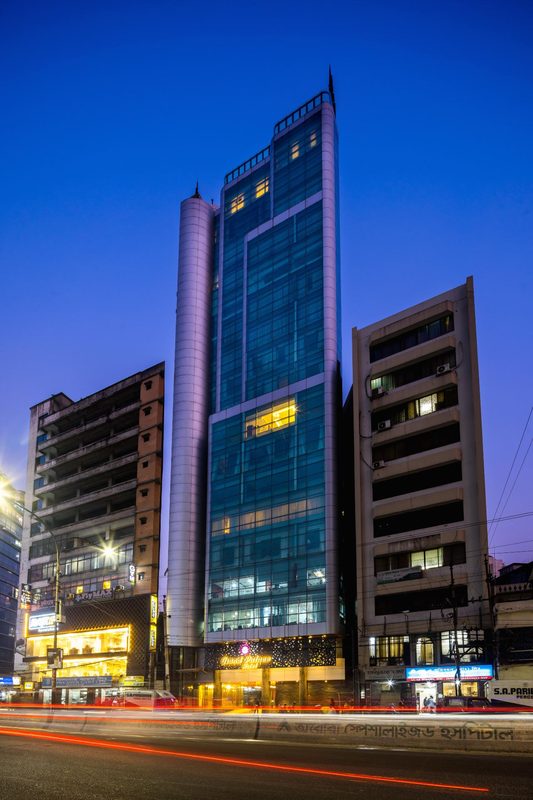
Where to Stay in Bangladesh in March
Hand-picked hotels across price tiers for March travellers.

Public Holidays in March
Dates that affect opening hours, transport and crowds
স্বাধীনতা ও জাতীয় দিবস
Known in English as Independence and National Day. Observed nationwide as a public holiday.
স্বাধীনতা ও জাতীয় দিবস
Known in English as Independence and National Day. Observed nationwide as a public holiday.
Packing Checklist
Bookmark this page — your progress is saved between visits
Need the full list with shopping links?
Climate-specific gear, brand recommendations, and what to leave at home.
View Bangladesh Packing List →Essential Tips
Insider knowledge and common pitfalls to avoid
Insider Knowledge
The train from Dhaka to Sylhet, roughly seven hours on the Parabat Express or Upaban Express, ranks among the most underrated journeys in South Asia. The route crosses the Meghna River on a bridge that stretches so far the far bank dissolves into haze, then pushes through wetlands where fishing nets hang from bamboo frames like enormous spiderwebs. Book first-class air-conditioned seats. They are comfortable and surprisingly quiet. Sit on the left side heading northeast for the river views. The alternative is a forty-five-minute domestic flight that shows you nothing.
Bangladeshi tea culture runs deep but works differently from what most visitors expect. The default is seven-layer tea in Sylhet's Sreemangal, where milky and black teas of varying strengths are poured in careful sequence into a glass, creating distinct colour bands that look like a geological cross-section. Every tea stall has its own ratio. Locals are fiercely loyal to their preferred vendor. Ask your guide in Srimangal to take you to the specific stall they drink at personally. Skip the one on the tourist circuit.
Rickshaws in Dhaka are not just transport. They are the city's moving art gallery. The painted panels on the backs depict everything from Bollywood scenes to rural landscapes to political commentary, and the drivers commission these from specific artists in Old Dhaka. To understand Dhaka's visual culture, spend an afternoon at a rickshaw painting workshop in the lanes near Bangshal Road rather than at a formal gallery. The painters work in the open. Most are happy to explain their iconography to anyone who sits down and watches.
Avoid changing money at Hazrat Shahjalal Airport if you can. The rates are noticeably worse than the exchange houses on Motijheel Commercial Area's main drag. ATMs in Dhaka's Gulshan and Banani neighbourhoods dispense taka at interbank rates. Arrive with some US dollars in cash as a backup. Card acceptance outside upscale Dhaka establishments is unreliable. In the Hill Tracts or the Sundarbans, cash is the only currency that moves.
Avoid These Mistakes
Never underestimate Dhaka's traffic. Scheduling two activities on opposite sides of the city in the same half-day is a rookie error. The distance from Old Dhaka to Gulshan is roughly 12 km (7.5 miles). In March afternoon traffic, that trip can take ninety minutes to two hours by car or CNG auto-rickshaw. Plan your days geographically. Cluster Old Dhaka activities in one session and the northern neighborhoods in another. Otherwise you will spend your trip staring at brake lights.
Do not treat Bangladesh as a weekend add-on to an India or Myanmar trip. The country rewards a minimum of ten days. Dhaka alone needs three to do justice to Old Dhaka, the Liberation War Museum, and the river life. The Sundarbans and Sylhet each require two to three days including travel. Visitors who fly in for four days leave feeling like they saw a lobby and missed the building.
Never photograph people without asking. This applies to women and children. Bangladesh is hospitable to a degree that can feel disarming. But the camera changes the dynamic instantly. In rural areas and in the Hill Tracts, pointing a lens without a greeting and a gesture of permission creates a hostility that poisons your interaction and the interactions of every traveller who follows you. Ask first, always. A smile and a raised camera with a questioning look works across every language barrier.
Ready to plan your trip to Bangladesh?
Now that you've got the research covered, here's where to go next.
Explore More Activities in Bangladesh
Didn't see anything interesting yet?
Browse Viator's full catalog of tours, day trips, food experiences, and private guides in Bangladesh.
See All Bangladesh Tours on Viator