
Things to Do in Bangladesh in January
January weather, activities, events & insider tips
Shoulder Season · Good Value
January Weather in Bangladesh
Temperature, rainfall and humidity at a glance
76°F (24°C)
High Temp
55°F (13°C)
Low Temp
0.3 inches (8 mm)
Rainfall
70%
Humidity
⚠ Dense morning fog across the delta plain can reduce visibility to under 50 m (165 ft) from dawn until mid-morning, grounding domestic flights and slowing highway traffic significantly. Build schedule buffers around early-morning departures.
⚠ Dhaka's winter air quality regularly reaches unhealthy levels on the AQI scale due to vehicle emissions, brick kiln smoke, and construction dust trapped under temperature inversions. Travelers with respiratory sensitivities should carry N95 masks and limit prolonged outdoor exposure on high-pollution days, which tend to cluster in still, foggy weather.
⚠ Nighttime temperatures in the Chittagong Hill Tracts and northern districts can drop to 5°C (41°F), and most rural accommodation has no heating. Hypothermia risk is real for trekkers sleeping at altitude without proper insulation.
Is January Right for You?
Weigh the advantages and considerations before booking
Advantages
- + January is Bangladesh's driest month, with just 8 mm (0.3 inches) of rain across the entire period. The Sundarbans mangrove channels, the tea estates around Srimangal, and the ruins at Paharpur are all accessible without the knee-deep mud that locks down rural roads from June through September. You can spend full days outdoors without a single plan wrecked by weather.
- + Temperatures drop to 13°C (55°F) at night and top out around 24°C (76°F) in the afternoon. Walking Old Dhaka's compressed lanes between Sadarghat and Chawkbazar feels comfortable now. By April, those same streets become a sweat-soaked endurance test. The cool dry air clears the haze that blankets Dhaka most of the year. You get rare views across the Buriganga from the Ahsan Manzil waterfront.
- + Shakrain, the old Dhaka kite festival on January 14, turns the rooftops of Shakhari Bazar and the surrounding neighborhoods into a pyrotechnic spectacle. Most foreign visitors have never heard of it. Thousands of paper kites fill the sky over the river while families light fireworks, play drums, and cook pitha on their rooftops until well past midnight. It is one of the most visually extraordinary urban festivals in South Asia. The weather cooperates completely.
- + January sits in the window when Sundarbans boat permits are easiest to arrange and wildlife sighting odds are highest. The receding water concentrates spotted deer and wild boar along the narrower channels. Bengal tigers, while still rare, are more frequently spotted drinking at exposed mudflats. Water levels are low enough that the smaller creeks open for kayaking. This is impossible during the monsoon months.
Considerations
- − Dense morning fog rolls across the delta plain from late December through mid-February. It regularly grounds domestic flights out of Hazrat Shahjalal International. Highway buses on the Dhaka-Chittagong route delay by two to three hours. Build an overnight buffer into your schedule if you have a tight connection or an early Sundarbans departure from Khulna. The fog tends to burn off by 10 AM. On the worst days it lingers until noon.
- − Rural Bangladesh gets cold at night in January. Most budget guesthouses outside Dhaka have no heating whatsoever. In Srimangal, Bandarban, or the Sylhet countryside, overnight temperatures can dip to 8°C (46°F). You will feel every degree of it in a concrete room with a single thin blanket. Bring a proper sleeping layer. Request extra bedding before nightfall.
- − January overlaps with the domestic wedding season and the tail end of school holidays. Intercity transport is under heavy pressure. Seats on the Dhaka-Sylhet and Dhaka-Cox's Bazar routes sell out days ahead. The long-distance launch boats on the Buriganga fill to standing capacity. Book transport as far in advance as you can manage. Avoid traveling on Friday evenings when Dhaka empties.
Best Activities in January
Top things to do during your visit
Bangladesh in January breathes different air. The dense, humid blanket that defines much of the year has lifted, replaced by a crisp, dry clarity. This is the cool season, when daytime temperatures hover in the mid-seventies Fahrenheit and the sun feels benevolent rather than oppressive. The skies are often a washed-out, pale blue, and the light, in the late afternoon, takes on a soft, golden quality that sharpens the edges of crumbling Mughal facades and glints off the countless rivers that vein the country. For locals, this is the time for outdoor weddings, for picnics in Ramna Park, and for layering a light sweater over a shalwar kameez in the early morning. It is a month of relative quiet in the agricultural calendar and a window of comfortable exploration before the pre-monsoon heat begins to build. Visitors will find the country's intense energy channeled into everyday life rather than seasonal festivals, offering a chance to witness the rhythm of Bangladesh without the distraction of crowds or overwhelming weather.

Dhaka Street & Culture Photography, Private Full-Day Tour
day_tripA full-day immersion into the kinetic theater of Dhaka's streets, this tour guides your lens through the capital's most evocative scenes. You might capture the morning steam rising from pots of muri in a New Market alley, the focused faces of artisans hammering brass in Shankhari Bazaar, or the geometric stacks of colorful rickshaws awaiting repair. The pace is deliberate, allowing for the patience required to find the frame within the city's glorious chaos.
It transforms the overwhelming sensory input of Dhaka into a curated, visual narrative, with a guide who knows where the light falls just right.
Insider tip: The soft, oblique light of late afternoon, around the Buriganga riverfront in Old Dhaka, renders textures of peeling paint and weathered wood with exceptional depth.
This month: January's clear, dry air and lower humidity provide excellent visibility and reduce atmospheric haze for sharper, clearer photographs.

Food Tour in Dhaka: Taste the Best Foods of Dhaka
foodThis is a culinary expedition that moves from the smoky grills of street-side vendors to the hallowed halls of century-old restaurants. You will taste the complex, slow-cooked richness of kacchi biryani, layered with mutton and fragrant rice, feel the heat of a freshly made fuchka bursting with tamarind water in your mouth, and finish with the milky sweetness of a malai cha from a stall polished smooth by generations of hands.
It is a direct pass into the deep, savory heart of Bengali cuisine, bypassing tourist menus for the dishes Dhaka's residents crave.
Insider tip: Come exceptionally hungry, and do not shy away from the second or third offer of a local specialty. Declining is polite. But accepting is the key to the full experience.
This month: The cool, comfortable weather of January makes walking between food stalls and crowded eateries a pleasure rather than an endurance test.

Photography In Dhaka
otherFocused less on landmarks and more on the art of the image, this experience examines the craft of capturing Bangladesh's capital. It might involve learning to pan a shot to blur a speeding rickshaw into streaks of color, or how to adjust for the high-contrast light filtering into a mosque's interior. The instruction is hands-on, set against backdrops like the industrial ballet of a shipbreaking yard or the intimate concentration found in a potter's colony.
It has a technical and artistic framework for photographing a city that can otherwise feel visually impenetrable.
Insider tip: Wear sturdy, closed-toe shoes that you do not mind getting dusty, as the most compelling shots often lie just off the paved paths.
This month: The lower sun angle in January creates longer shadows and a warmer tonal quality throughout the day, good for practicing dramatic composition.

Private Dhaka City Tour: Old & New Dhaka Highlights with Lunch
guided_experienceThis tour spans the centuries, from the parliament's stark, geometric majesty in modern Dhaka to the labyrinthine gullies where the Mughal Empire's echo is strongest. You will hear the call to prayer echo off the terracotta walls of the Star Mosque, see the parliament complex's concrete forms reflected in an artificial lake, and feel the sudden quiet within Ahsan Manzil's pink palace after the frenzy of the riverfront.
It provides the essential historical and cultural context that makes the city's juxtapositions meaningful, not just jarring.
Insider tip: The included lunch is typically at a local restaurant. Specify if you have a preference for either traditional Bengali fare or more universal dishes to guide your guide's selection.
This month: The pleasant January climate allows for extensive walking in Old Dhaka and comfortable exploration of open sites like the parliament grounds without heat fatigue.

Authentic Old Dhaka Tour: Shipyard Visit & Local Life Experience
guided_experienceThis tour goes deep into the working engine of Old Dhaka, bypassing the standard monuments for places where the city's lifeblood flows. You will smell the acrid scent of welding at a riverbank shipyard, hear the rhythmic clang of metal being shaped, and walk narrow residential lanes where the day's laundry hangs like banners overhead and the smell of evening curry begins to simmer in shared courtyards.
It offers an unvarnished, respectful look at the skilled labor and tight-knit community fabric that sustains this historic quarter.
Insider tip: Be prepared for active, sometimes uneven terrain. The shipyard and many local alleys are not standard tourist pathways.
This month: January's dry weather means the normally muddy or slick surfaces in the industrial areas are firmer and easier to navigate.

Dhaka Private Airport Transfer, 24/7 Pickup & Drop-Off
transportThis service provides a critical first and last impression, a sealed car gliding from the chaos of Hazrat Shahjalal International Airport into the even greater chaos of Dhaka's streets. You will watch the scene transform from airport outskirts to dense commercial blocks, feeling the cool, air-conditioned relief while observing the initial shock of the city's busy, unmediated flow of traffic just outside your window.
It eliminates the high-stress negotiation and uncertainty of finding a safe, reliable taxi after a long flight, at night.
Insider tip: For arrivals, have your local SIM card or mobile data ready. The driver will typically contact you via WhatsApp upon your exit from baggage claim.
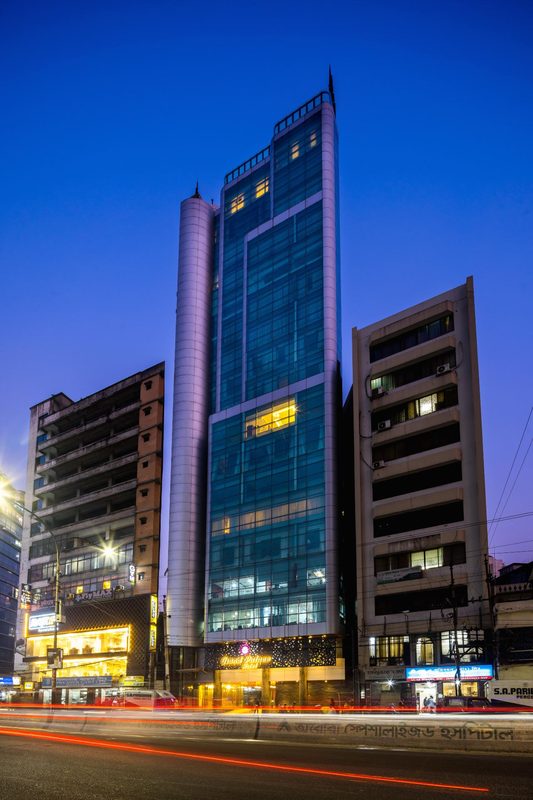
Where to Stay in Bangladesh in January
Hand-picked hotels across price tiers for January travellers.

January Events & Festivals
What's happening during your visit
January 14
Shakrain (Poush Sankranti Kite Festival)
Shakrain turns Old Dhaka's rooftops on January 14 into one of South Asia's most chaotic, joyful spectacles. The festival marks the last day of the Bengali month of Poush. While celebrated across Bangladesh, Old Dhaka's dense rooftop landscape around Shakhari Bazar and Lalbagh transforms it into something closer to a citywide party than a cultural observance. Thousands of kites fill the sky from mid-morning, many rigged with manjha, the glass-coated cutting string that slices rival kites in aerial duels. By late afternoon the battles intensify. Darkness brings fireworks, sparklers, and rooftop bonfires. Smoke mingles with grilled meat and pitha cooked on portable stoves. The drumming starts at sunset. It does not stop until well past midnight. You need a rooftop invitation from a local family to experience this properly. A good guide or guesthouse in Old Dhaka can usually arrange this. The noise level is extreme. The fireworks are unregulated. Bring earplugs. Keep your distance from the larger rockets. The light show reflected off the Buriganga River from the Ahsan Manzil side is worth the effort.
Throughout January
Pitha Utshob (Rice Cake Festival Season)
Pitha festivals run through January at various locations across Bangladesh, with the largest organized events held at Bangla Academy and other cultural venues in Dhaka. These are not tourist fabrications but genuine seasonal celebrations tied to the winter rice harvest and the availability of fresh date-palm jaggery, the unrefined sugar tapped from palm trees that gives winter pitha their distinctive caramel depth. Stalls serve dozens of varieties, from the lacy patterns of jilapi pitha fried golden in mustard oil to the dense, milk-soaked rosh pitha that dissolves on the tongue. The festivals draw enormous crowds of Dhaka residents and the atmosphere is closer to a county fair than a food market, with music stages, craft stalls, and families spread across the grounds. Arrive early in the day before the most popular varieties sell out.
Packing Checklist
Bookmark this page — your progress is saved between visits
Need the full list with shopping links?
Climate-specific gear, brand recommendations, and what to leave at home.
View Bangladesh Packing List →Essential Tips
Insider knowledge and common pitfalls to avoid
Insider Knowledge
The fog that blankets Bangladesh in January mornings could fairly be called a genuine transport hazard. Domestic flights from Dhaka to Cox's Bazar, Sylhet, and Chittagong are cancelled or delayed on roughly a third of January mornings. If you have a tight schedule, take the overnight train or bus instead, which runs regardless of visibility. The Dhaka-Chittagong train, in particular, is reliable and comfortable in the upper-class seats if booked a few days ahead.
January is date-palm jaggery season, and the difference between fresh nolen gur and the year-round packaged version is the difference between a ripe peach and canned fruit. The fresh jaggery, tapped from palm trees at dawn and sold in clay pots at morning markets, has a smoky, almost maple-like sweetness that disappears by March when the sap stops running. Ask for nolen gur in any sweet shop or tea stall and you will likely get it fresh. The payesh, a slow-cooked rice pudding made with this fresh jaggery, is one of the best things you will eat in Bangladesh and it only exists in January and February.
Bangladeshi hospitality is overwhelming in the best sense. But the flip side is that saying no requires practice. You will be invited to drink tea, eat meals, visit homes, and pose for photographs constantly, outside Dhaka where foreign visitors are still uncommon. Accepting the first tea invitation of the day is culturally essential. After that, a warm smile and a hand on your chest while saying 'dhonnobad' (thank you) is enough to decline gracefully without offense.
The rickshaw could fairly be called the only way to navigate the old town's lanes, many of which are too narrow for cars. January's cool air makes rickshaw rides comfortable rather than the sweat-box experience of the summer months. Agree on a fare before you climb in. Rickshaw painters in Old Dhaka, concentrated around the workshops near Bangshal Road, produce some of the most distinctive folk art in South Asia, painting elaborate movie scenes and rural landscapes on the tin backs of the rickshaws. The workshops welcome visitors who ask politely.
Avoid These Mistakes
Underestimating distances and travel times. Bangladesh is roughly the size of Iowa but holds 170 million people, and the road infrastructure has not kept pace with the population. The 250 km (155 miles) from Dhaka to Cox's Bazar takes eight to ten hours by bus, not the three hours Google Maps optimistically suggests. The 200 km (124 miles) to Sylhet takes six to seven hours. Plan for full travel days between regions. Do not try to see both Cox's Bazar and the Sundarbans in a one-week trip unless you are willing to fly and accept the fog-related cancellation risk.
Packing for tropical heat and arriving to January cold. First-time visitors to Bangladesh picture sweltering humidity year-round, then step off the plane at midnight into 13°C (55°F) air in a t-shirt and shorts. Dhaka's airport is air-conditioned to roughly the same temperature, so the cold does not hit until you step outside. But it hits. The chill is sharp in the Sundarbans at dawn, on the water, where wind chill drops the felt temperature further. Bring layers.
Skipping Old Dhaka in favor of the modern city. New Dhaka, the Gulshan and Banani districts, looks like any mid-tier Asian capital: glass towers, shopping malls, chain restaurants. Old Dhaka, south of the railway line, is where the soul of the city lives: 400-year-old Mughal architecture, artisan quarters that have not changed trades since the 1600s, and a density of street food per square meter that rivals anywhere on earth. Most guided tours start here for a reason. Spending your Dhaka days in Gulshan is like visiting New York and never leaving Midtown.
Explore More Activities in Bangladesh
Didn't see anything interesting yet?
Browse Viator's full catalog of tours, day trips, food experiences, and private guides in Bangladesh.
See All Bangladesh Tours on Viator