
Things to Do in Bangladesh in July
July weather, activities, events & insider tips
Low Season · Budget Friendly
July Weather in Bangladesh
Temperature, rainfall and humidity at a glance
89°F (32°C)
High Temp
79°F (26°C)
Low Temp
15.4 inches (391 mm)
Rainfall
70%
Humidity
⚠ Severe monsoon flooding affects low-lying areas across Bangladesh throughout July, including parts of urban Dhaka. Roads between cities can become impassable for one to three days during heavy rain events. Check Bangladesh Flood Forecasting and Warning Centre bulletins before intercity travel. Plan accordingly.
⚠ Dengue fever risk peaks during and immediately after monsoon as standing water creates mosquito breeding grounds. Dhaka, Chittagong, and Sylhet divisions all report elevated cases in July. Use DEET-based repellent. Sleep under treated nets where air conditioning is unavailable. Seek medical attention for sudden high fever with body aches. Do not delay.
⚠ Rough seas and dangerous currents make swimming at Cox's Bazar and all Bay of Bengal beaches life-threatening in July. Multiple drowning deaths occur every monsoon season. Do not enter the water. This applies regardless of how calm the surface appears. Stay out.
⚠ Waterborne illness risk increases significantly as monsoon flooding contaminates water sources. Drink only sealed bottled water or water purified with tablets. Avoid raw salads. Skip ice of uncertain origin. Pass on street-side cut fruit that has been sitting in open air. Be careful.
Is July Right for You?
Weigh the advantages and considerations before booking
Advantages
- + Ilish season peaks in July. Nothing else in South Asian food culture comes close. The national fish of Bangladesh migrates upstream through the Padma and Meghna rivers during monsoon, and the flesh at its fattiest carries a richness that no other month can replicate. Restaurants across Dhaka run special ilish menus. Home kitchens smell of mustard-seed paste and turmeric for weeks. The fish markets along Sadarghat waterfront become theatre. If you eat one thing in Bangladesh, eat ilish in July. Steam it inside a banana leaf with green chili and mustard oil until the fat renders into the sauce. You will not find this experience in any other month at this quality.
- + The landscape transforms into a watercolour that dry-season visitors never see. The rice paddies outside Dhaka fill to the brim and turn an electric, almost unnatural green. The tea estates around Srimangal in the Sylhet division become layered sheets of emerald climbing into low cloud. The haor wetlands of Sunamganj flood into vast inland seas where fishing boats move between half-submerged villages. For photographers and anyone who responds to landscape on a gut level, July Bangladesh is visually extraordinary. The dusty winter months simply are not.
- + Tourist crowds, already thin in Bangladesh compared to neighbouring countries, drop to nearly zero in July. The Lalbagh Fort in Old Dhaka, the Sixty Dome Mosque at Bagerhat, the hilltop monasteries of Bandarban, you will likely have them almost to yourself. Accommodation rates fall accordingly. The negotiating use for longer stays or upgraded rooms tilts sharply in the traveller's favour. This is the cheapest month to experience Bangladesh. For independent travellers comfortable with improvisation, that matters.
- + Monsoon reveals a side of Bangladeshi daily life that the tourist-friendly winter obscures. The rhythm of the country changes. People move by boat instead of road in the low-lying chars. Tea stalls fill with rain-soaked workers sharing plates of singara and piaju fried in mustard oil. The evening adda, that long unhurried Bangladeshi tradition of sitting and talking over endless cups of cha, stretches later because nobody wants to walk home through the downpour. July gives you Bangladesh unperformed, living its own life. That is either exactly what you came for or it is not. There is no pretending about it.
Considerations
- − Flooding is not a metaphor in July Bangladesh. The three great river systems, the Padma, Jamuna, and Meghna, swell with Himalayan snowmelt and monsoon rain simultaneously, and low-lying areas across the country go under water. In a normal July, rural roads between Dhaka and the north become impassable for days at a time. In a bad July, urban Dhaka itself floods knee-deep in neighbourhoods like Mirpur and Mohammadpur, sewage mixes with rainwater, and the smell is exactly what you imagine. Transportation schedules become suggestions. Intercity buses cancel. Domestic flights delay. You need flexibility built into every plan. A tolerance for plans dissolving entirely helps too.
- − The humidity at 70% on paper feels closer to 90% on skin, and it does not let up at night. The air between buildings in Old Dhaka in July has a weight to it, heavy with rain, exhaust, and the warm-metal smell of rickshaws. Air conditioning is not universal outside upper-tier hotels. Power cuts, though less frequent than a decade ago, still happen during peak monsoon storms. Walking any distance leaves you soaked from sweat before the rain even arrives. If heat tolerance is not something your body does naturally, July will test you hard.
- − The Sundarbans, Cox's Bazar swimming, and most Chittagong Hill Tracts trekking routes are effectively off the table. Rough seas and strong currents make Cox's Bazar dangerous for swimming. The Sundarbans mangrove tours largely shut down due to water levels and cyclone risk. Trails in Bandarban and Rangamati turn to mud that swallows boots. The destinations that define Bangladesh tourism for most international visitors are at their least accessible. July is a Dhaka and Sylhet month. It is a river month. It is a food month. It is not a beach or jungle month.
Best Activities in July
Top things to do during your visit
July sits deep in monsoon season, and Bangladesh becomes a country reshaped by water. The Padma, Meghna, and Jamuna rivers increase toward their annual peak, flooding low-lying chars and washing the countryside in green so saturated it barely looks real. In Dhaka, afternoon storms pound corrugated rooftops with a metallic roar that drowns out rickshaw bells, then stop as suddenly as they began, leaving air thick with wet earth and frying pithapuli from sidewalk stalls. Temperatures hover around 32 degrees Celsius by day and rarely fall below 26 at night, so heat persists but softens under cloud cover that filters sun into milky, diffused light. Humidity holds at roughly seventy percent. Everything feels damp: your clothes, your camera lens, your notebook pages. Most guidebooks skip this season. That is exactly why it matters. Bangladesh in July drops its tourist infrastructure almost completely, giving you direct access to daily life. Old Dhaka's spice markets run full tilt regardless of rain, narrow lanes heavy with turmeric, dried chili, and coriander seed. The shipyards along the Buriganga keep welding and hammering through wet months, sparks arcing against gray skies. Restaurants across Dhaka serve ilish, the prized hilsa fish that returns to rivers in monsoon, prepared as ilish bhapa steamed in mustard paste or ilish paturi wrapped in banana leaf and grilled until edges char. If you want a country at its most unguarded, July delivers what dry season cannot. Expect rain on roughly ten days of the month, often packed into dramatic two-hour bursts rather than all-day drizzle. Mornings tend clearer, with the best outdoor window between six and ten a.m., before clouds mass. Waterproof bags for electronics are non-negotiable. Shoes handling ankle-deep puddles will save you grief. Roads flood in patches, in south Dhaka around Jatrabari and Sadarghat, so build flexibility into any itinerary. The payoff: golden hour light scatters through monsoon haze in ways that make Bangladesh one of the most photogenic countries on earth during wet season.

Dhaka Street & Culture Photography, Private Full-Day Tour
day_tripThe Dhaka Street and Culture Photography private full-day tour puts you shoulder to shoulder with the city's working quarters, from smoke-blackened blacksmith stalls of Thatari Bazaar to pastel facades of Shakhari Bazar where Hindu artisans shape conch-shell bangles by hand. Your guide navigates labyrinthine lanes of Old Dhaka where auto-rickshaws squeeze past hand-pulled carts loaded with cotton bolts, and air carries competing scents of rosewater syrup and diesel exhaust. In July, monsoon light becomes a photographer's ally: overcast skies kill harsh shadows and make colors pop against wet pavement, while sudden rain clears streets for dramatic empty-lane compositions before crowds return.
Full-day private access to Dhaka's most photogenic neighborhoods with a local who knows which rooftops, courtyards, and alleyways yield the strongest compositions.
Insider tip: Ask your guide to time the Sadarghat ferry terminal visit for late afternoon, when commuter boats stack three deep and low monsoon light catches the Buriganga's surface in silver and pewter tones.
This month: July's overcast skies and wet surfaces create ideal conditions for street photography, eliminating blown-out highlights that plague Dhaka shoots in dry months. Expect brief but intense rain interruptions that offer their own dramatic material.

Food Tour in Dhaka: Taste the Best Foods of Dhaka
foodThe Food Tour in Dhaka runs a controlled demolition through your assumptions about Bangladeshi cuisine, beginning in cramped lane restaurants of Chawkbazar where naan emerges blistered and smoky from clay tandoors and bakarkhani flatbread crackles under your teeth with layers of ghee-soaked dough. You will eat standing at stalls where the cook has made one dish, the same dish, for decades: beef rezala simmered in yogurt until sauce turns ivory, or chotpoti served in clay bowl with a tamarind hit so sharp it makes your eyes water. July is peak hilsa season in Bangladesh, and any food tour worth taking during monsoon should include this oily, bone-riddled river fish that Bengalis revere the way Japanese revere bluefin tuna.
Dhaka's street food scene operates on complexity and regional specificity that no restaurant menu can replicate, and a guided route through Old Dhaka's food lanes is the only practical way to navigate it as an outsider.
Insider tip: Tell your guide you want to try doi chira, flattened rice soaked in sweetened yogurt, which Dhaka vendors prepare fresh in mornings and which rarely appears on any tourist itinerary.
This month: July coincides with hilsa season, when monsoon-swollen rivers drive Bangladesh's most celebrated fish into peak availability. Street vendors and lane restaurants across Old Dhaka feature seasonal hilsa preparations you will not find the rest of the year.

Photography In Dhaka
otherPhotography In Dhaka is a guided immersion for serious shooters who want more than snapshots. The itinerary threads through locations chosen for visual density: geometric chaos of Kawran Bazaar where porters carry impossible loads of ginger root and green chili on their heads, corroded beauty of Lalbagh Fort's Mughal archways, and human theater of Sadarghat where ferries dock in choreography of ropes, shouts, and diesel smoke. July's monsoon conditions push this experience into a different register. Reflections pool on every surface, puddles mirror neon shop signs, and diffused light wraps subjects in even, flattering glow that eliminates harsh midday contrast of drier months.
A photography-focused guide who understands both Dhaka's geography and technical demands of shooting in challenging light conditions, matched to a city that rewards that combination more than almost anywhere in South Asia.
Insider tip: Bring a fast prime lens, something around 35mm, rather than a zoom. Old Dhaka's lanes are too narrow for long focal lengths, and low monsoon light demands every stop of aperture you can get.
This month: Monsoon humidity can fog lenses when moving between air-conditioned vehicles and outdoor heat. Carry a microfiber cloth and let your gear acclimatize for five minutes before shooting.

Private Dhaka City Tour: Old & New Dhaka Highlights with Lunch
guided_experienceThe Private Dhaka City Tour covering Old and New Dhaka gives you the full arc of the capital in a single day: crumbling pink plaster of Ahsan Manzil on the riverbank, where the Nawab of Dhaka once held court and air still smells of river mud that laps at its foundation. Soaring white marble of the National Parliament Building, Kahn's brutalist masterpiece whose geometric light wells cast shifting shadows across raw concrete. And compressed energy of Shakhari Bazar, where clatter of metalworkers' hammers on brass sheets echoes off buildings so close together you can touch both walls with outstretched arms. Lunch is included, and in July that almost certainly means rice with ilish or slow-cooked beef bhuna whose spice paste has been ground on a stone sil batta.
The only efficient way to bridge Old Dhaka's Mughal-era river quarter and New Dhaka's modernist landmarks in a single day, with a private guide who handles logistics of a city where navigation defeats most visitors.
Insider tip: Request that the guide schedule the National Parliament Building visit for mid-morning when interior light wells produce the most dramatic shadow play, and save Old Dhaka's Lalbagh Fort for late afternoon when west-facing walls glow amber.
This month: Afternoon rain may interrupt outdoor portions of the tour. The standard contingency shifts indoor sites like Ahsan Manzil's museum rooms or Star Mosque's tile-covered prayer hall into wet hours and resumes outdoor walking after rain passes.

Authentic Old Dhaka Tour: Shipyard Visit & Local Life Experience
guided_experienceThe Authentic Old Dhaka Tour with Shipyard Visit and Local Life Experience takes you to the raw industrial edge of the city that most tours avoid. At the Keraniganj shipyard across the Buriganga, wooden cargo vessels are built and repaired by hand: men drive iron rivets with hammers that ring across water, sawdust mixes with river spray, and smell of heated pitch hangs in heavy air. The tour then loops through residential lanes of Old Dhaka where families have lived for generations in narrow townhouses with iron-railed balconies, past tea stalls where cha is boiled dark with condensed milk and cardamom, and through Shankhari Bazaar where Hindu craftsmen shape conch shells into wedding bangles using lathes that predate electricity. In July, the Buriganga runs high and brown, cargo traffic intensifies, and the shipyard operates at peak activity because vessel owners want repairs completed before worst flooding months.
Access to Dhaka's working shipyards, a scene of industrial intensity and visual drama that few visitors ever witness, combined with residential texture of Old Dhaka's oldest neighborhoods.
Insider tip: Wear closed-toe shoes with grip for the shipyard visit. The ground is uneven, slick with oil and river water, and scattered with metal debris. Sandals are a genuine safety risk here.
This month: July's high water levels bring more vessels into the Keraniganj yards for monsoon-damage repair, making this the most active and visually dramatic month to visit the shipyards.

Dhaka Private Airport Transfer, 24/7 Pickup & Drop-Off
transportThe Dhaka Private Airport Transfer covers pickups and drop-offs at Hazrat Shahjalal International Airport around the clock, which in July is less a convenience than a logistical necessity. Monsoon flooding regularly submerges sections of Airport Road and the Uttara connector, and a driver who knows alternate routes through Nikunja and Bashundhara can mean the difference between a ninety-minute crawl and a forty-minute ride. The transfer eliminates negotiation theater with CNG auto-rickshaw drivers outside arrivals, where humidity hits you like a wall the moment terminal doors slide open, and spares you from deciphering a city whose address system relies on landmarks rather than street numbers.
Reliable door-to-door transport in a city where monsoon flooding, unmarked roads, and aggressive traffic make independent airport navigation difficult for first-time visitors.
Insider tip: Book the pickup with at least a two-hour buffer before any domestic flight. July traffic between central Dhaka and the airport is unpredictable, and a flooded underpass at Mohakhali or Farmgate can add an hour without warning.
This month: July flooding on Airport Road and the Kuril flyover approach makes travel times highly variable. Confirm your driver has a working phone number and agree on a rain-contingency route before departing.
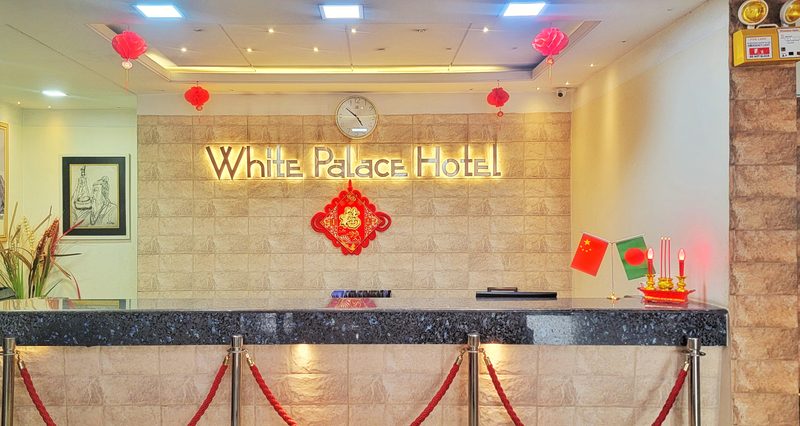
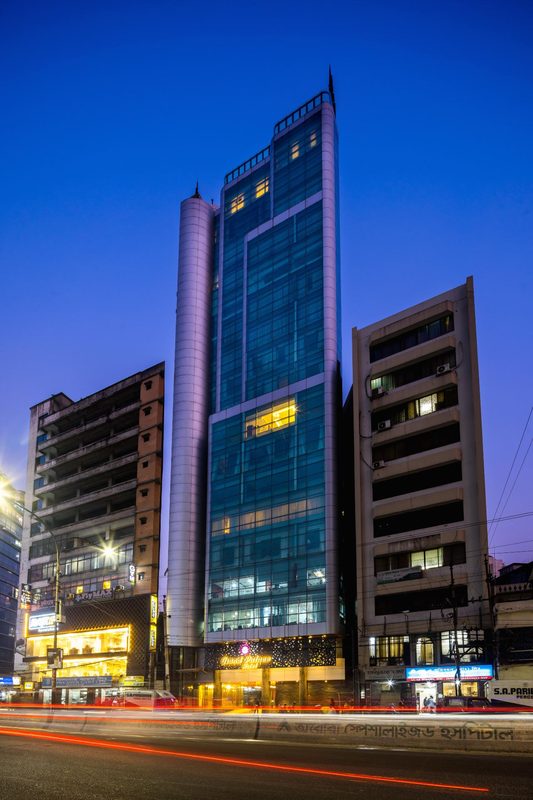
Where to Stay in Bangladesh in July
Hand-picked hotels across price tiers for July travellers.
July Events & Festivals
What's happening during your visit
Throughout July (peaks mid-July through early August)
Ilish Utsav (Hilsa Festival)
No ticket booth. No single event. Ilish season spreads across Dhaka and beyond, peaking in July and August when the Padma hilsa run hits its fattest. Restaurants citywide, in Puran Dhaka and the Dhanmondi and Gulshan dining districts, roll out special ilish menus. Home cooks compete quietly. Whose shorshe ilish carries the right mustard heat? Whose balances fish fat well? Kawran Bazar and Jatrabari fish markets become theaters. Auctioneers sell the biggest specimens. Buyers crowd in, handling fish like jewellers inspecting stones. Ask your hotel or guesthouse to arrange a home-cooked ilish meal with a local family. Several Dhaka tour operators now make this happen. Sit cross-legged on a floor mat. Eat rice and five preparations of ilish with your hands. Rain hammers the tin roof. This is July Bangladesh, distilled into one afternoon.
Late June or July (lunar calendar dependent, confirm locally for 2027)
Rath Yatra (Chariot Festival)
Rath Yatra celebrates Lord Jagannath's annual journey. The Hindu chariot festival happens at Dhakeshwari Temple in Old Dhaka, and at temples across Sylhet and Chittagong divisions. At Dhakeshwari, a large wooden chariot rolls through surrounding streets. Drummers pound. Devotees in white walk alongside. Incense hangs thick enough to taste. The festival draws Bangladesh's Hindu community together. Respectful observers are welcome. The date shifts yearly by the Hindu lunar calendar. Late June or July is typical. Confirm the exact 2027 date locally before planning. Old Dhaka streets around the temple become impassable to vehicles during the procession. This is intentional. For a few hours, the city belongs to feet and faith, not traffic.
Packing Checklist
Bookmark this page — your progress is saved between visits
Need the full list with shopping links?
Climate-specific gear, brand recommendations, and what to leave at home.
View Bangladesh Packing List →Essential Tips
Insider knowledge and common pitfalls to avoid
Insider Knowledge
The ilish you eat in Dhaka in July likely came from the Padma River near Mawa or Chandpur, not the ocean. River ilish carries more fat. Bangladeshis prize it more. They will argue the distinction with near-religious passion. When ordering, ask for nodi'r ilish (river hilsa), not just ilish. This signals knowledge. The kitchen will likely send better fish. Request the belly cut, the pet er tukra. It is the fattiest section. It is considered the finest eating.
Dhaka's traffic, already legendary, becomes paralytic during monsoon flooding. A forty minute journey in January takes three hours in July when key underpasses at Mirpur and Mohakhali flood. CNG auto-rickshaws handle shallow water better than ride-hail sedans. The Dhaka Metro Rail Line 6, running elevated above the flood line from Uttara to Motijheel, is the only transport the monsoon cannot touch. Use it as your spine. Branch out from stations.
The best window for outdoor activity in July is 6am to 10am. Heat builds by mid-morning. The sky darkens and dumps by early afternoon. By 4pm it often clears into golden humid evening. Locals structure their entire day around this pattern: early errands, midday indoors, late afternoon socialising. Match their rhythm. July becomes manageable. Fight it. Push through a 2pm sightseeing itinerary in a downpour and you will be miserable.
Bangladesh runs on mobile money, specifically bKash and Nagad, more than cash. Foreigners cannot easily open bKash accounts. Carry small-denomination taka notes. ATMs exist in Dhaka and divisional capitals but often run dry during monsoon when cash replenishment trucks cannot reach them. Bring enough taka from the airport exchange to cover two to three days of spending. Replenish when you see a functioning ATM. Do not wait until you need one.
Avoid These Mistakes
Planning a tight multi-city itinerary? July Bangladesh will break your schedule. The Dhaka-Sylhet highway floods at predictable chokepoints near Brahmanbaria. Domestic flights cancel when visibility drops. The Padma Bridge approach roads can close temporarily during extreme rain events. Build at least one buffer day between every destination change. Hold your bookings loosely. The travellers who enjoy July here can shrug when a bus does not come. They order another cup of cha.
Attempting to swim at Cox's Bazar? The Bay of Bengal in July produces swells, rip currents, and undertow that kill locals every monsoon season. The beach itself is dramatic in the rain. 120 km (75 miles) of flat sand under grey sky is worth visiting for the atmosphere and the dried fish markets at the southern end near Teknaf. But the water is not for swimming in July. Full stop. The red flags on the beach are not suggestions.
Skipping Old Dhaka because the forecast looks bad? Old Dhaka's narrow lanes, some barely 1.5 m (5 ft) wide, are partially sheltered by overhanging upper floors and corrugated awnings. The old city is more navigable in rain than New Dhaka's wide exposed boulevards. Some of the best street food stalls in Shankhari Bazar and Chawk Bazar operate under permanent cover. Letting a weather app designed for open-air Western cities dictate your plans in a city built for monsoon is a mistake. It costs you the best part of Bangladesh.
Explore More Activities in Bangladesh
Didn't see anything interesting yet?
Browse Viator's full catalog of tours, day trips, food experiences, and private guides in Bangladesh.
See All Bangladesh Tours on Viator